Table of Contents
Build Real Apps & Web with GenCodex
Transform your ideas into scalable solutions with a powerful low-code platform
Get StartedCreating a mobile app today means reaching users on both Android and iOS devices. However, building separate apps for each can be expensive and time-consuming, especially for small businesses. Each new feature might need to be made and tested twice, which complicates the process.
Cross-platform app development offers a solution by allowing developers to create one app that works on both platforms using a single codebase. This approach can speed up development and cut down on extra work, making it more efficient for businesses.
However, cross-platform development isn’t always the best fit for every app. Some applications may need specific features or better performance that only native development can provide.
Before choosing a development method, it’s important to understand how cross-platform development works, its benefits, and when it’s the right choice. This guide will cover all of that.
What Is Cross-Platform Development?
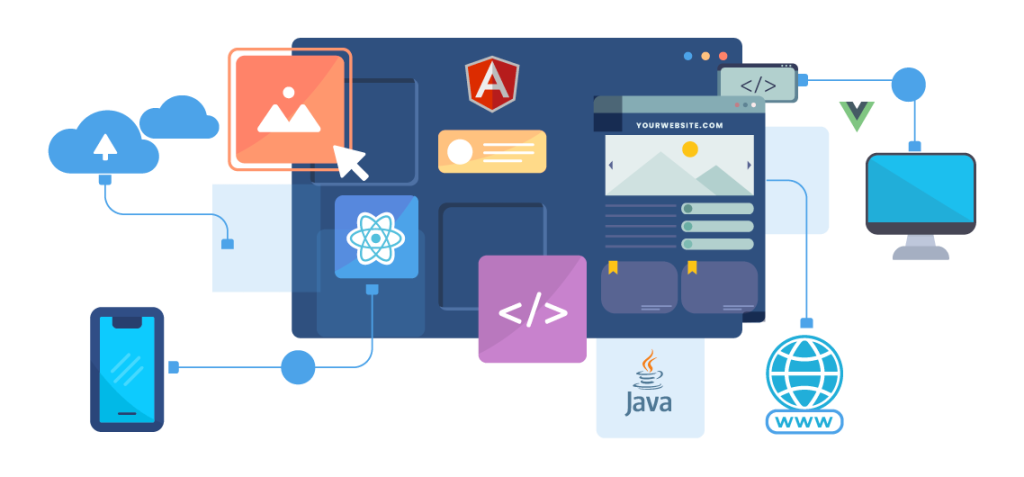
Cross-platform development means building an application that can work across multiple platforms with less duplicated development work is a way to create applications that work on multiple operating systems using the same code..Instead of building separate apps for Android and iOS, developers can make one app that runs on both.
This method saves time and effort, allowing for easier updates and maintenance since much of the work is done in one place. It’s commonly used for mobile apps, web applications, and desktop software, helping businesses reach users across different platforms without needing separate versions.
How Does Cross-Platform Development Work?
Cross-platform development allows developers to create apps that work on both Apple and Android devices using a single codebase. Instead of building separate versions for each platform, they write the main parts of the app once.
Developers use specific programming languages or frameworks, like JavaScript or Dart, to build the app. The framework then connects the app to the features of each operating system, such as the camera and notifications.
After completing the app, they test it on different devices to ensure everything runs smoothly. If any updates are needed, developers can easily change the shared code
Benefits of Cross-Platform Mobile Development
Creating an app for different devices can be time-consuming and costly. Cross-platform development helps simplify this process by allowing developers to use much of the same code for different platforms, such as Android and iOS.
Cross-platform apps have shareable code that can be reused across multiple platforms. A single codebase speeds up development and cuts development costs, particularly for repetitive tasks like data serialization and API calls. Faster development usually translates to faster time to market.
Here are some of the key benefits:
- Faster Development : With cross-platform development, developers can use a shared set of code instead of building the same features separately for each platform. This means they can work more efficiently and get apps ready to launch more quickly.
- Lower Development Costs: Making separate apps for each platform usually requires more people, tools, and time for testing and maintenance. By using a single codebase, businesses can save money and manage their development budget better.
- Code Reusability: One major advantage of cross-platform development is the ability to reuse code. Developers can write code for common features once and use it across various platforms. This means they don’t need to start from scratch for every type of device.
- Easier Maintenance: When an app needs updates or fixes, developers can often make changes in the shared codebase. This makes it easier to keep everything running smoothly, as they don’t have to duplicate their efforts for each platform.
- Wider User Reach: By creating apps for multiple platforms, businesses can reach more users. This means more people can access their apps without needing to build a completely different version for each device.
- Consistent User Experience: Using a shared approach can help ensure that the app has similar features and designs across different platforms. This way, users enjoy a consistent experience whether they switch between devices.
- Faster Updates: When developers can share code, they can also add new features and improvements more quickly. This helps them deliver updates to users faster.
Cross‑Platform Development Challenges & How to Solve Them
The businesses and app developers face the challenge of creating smooth and enjoyable user experiences across multiple devices. Creating apps that work on both Android and iOS can be a great way to reach more users, but it also comes with some challenges. Traditionally, making apps for different platforms meant writing different sets of code, which can become complex and challenging to manage. Understanding these issues can help developers find the best way to build their projects.
Different Platform Specific Features
Android and iOS are two different operating systems, which means they have unique features. Sometimes, a feature that works well on one platform might not work the same way on the other. This can require developers to write extra code specific to each platform.
Performance Issues
While many cross-platform apps run smoothly, some applications that demand very high performance or complex functions might not perform as well. In these cases, a native app (an app built specifically for one platform) might be the better choice.
User Experience Variations
Each platform has its own design guidelines, which means what looks good on Android might not feel right on iOS, and vice versa. Developers must ensure that their apps provide a great user experience that matches what users expect on each platform.
Testing on Multiple Devices
Cross-platform apps need to be tested on various devices and operating systems. Things like screen sizes, hardware differences, and software versions can change how an app behaves, so thorough testing is essential.
Access to Device Features
Some newer or specialized features on devices might not be readily available in cross-platform frameworks. Developers may need to use additional tools or write specific code to access these features.
Debugging Can Be Complex
If a problem occurs on just one platform, it can be hard to figure out what’s wrong. Developers might have to examine both the shared parts of the app and the specific sections for that platform to pinpoint the issue.
Framework and Tool Updates
Cross-platform frameworks often receive updates to stay compatible with new operating systems and technologies. Developers must keep their tools and software up to date to avoid issues with compatibility and security.
Native vs Cross-Platform App Development: Which Should You Pick
If you’ve looked into creating mobile apps, you’ve likely faced the choice between native and cross-platform development. Native apps are designed specifically for one type of device, offering better performance and aesthetics, but they generally take longer to develop and can be more expensive. Conversely, cross-platform development allows apps to work on multiple devices, which can save time and money. Thanks to advancements in technology, many performance issues with cross-platform apps are now minor.
When deciding how to build a mobile app, developers typically weigh two options: using native development or opting for cross-platform. Each has its benefits, but the best choice depends on what features the app needs, who will use it, how much money is available, how fast it needs to be completed, and what level of performance is required.
What is Native App Development?
Native app development is when you create an app specifically for one type of device either for iPhones or Android phones. This means using special programming languages and tools designed just for that platform. For example, developers use Swift or Objective-C for iPhones and Kotlin or Java for Android devices.
Key Differences of Native vs Cross-Platform App Development
| Cross-Platform Development | Native Development |
|---|---|
| Uses a shared codebase for multiple platforms | Uses platform-specific code |
| Can reduce repeated development work | May require separate development for each platform |
| Can help reduce development time | Can require more development time for multiple platforms |
| Makes it easier to share common features | Provides deeper platform-specific control |
| Suitable for many business and general-purpose apps | Useful for apps requiring highly specialized platform features |
| Can simplify maintenance of shared functionality | Each platform may need separate maintenance |
How to Choose Between Cross-Platform and Native Development
If your goal is to get your app to as many users as possible without spending too much time or money, cross-platform development might be the way to go. It allows you to share some work and get your app out there faster.
However, if your app requires special features that work better on one specific type of device, or if you want the best possible performance, then native development could be the better choice.
Ultimately, the best option depends on what you want your app to do, who your users are, and what resources you have available. There’s no one-size-fits-all answer, but understanding these two approaches can help you make a more informed decision.
How Does GenCodex help you Develop on Multiple Platforms?
GenCodex’s best cross‑platform app development framework offers a robust solution for projects requiring efficiency, flexibility, and scalability. By addressing your project’s unique needs and leveraging GenCodex’s innovative tools, you can create high-quality applications that deliver exceptional user experiences across multiple platforms. Here’s a guide to help you determine whether the GenCodex Cross-Platform Support for app development framework is the right fit for your project:
Identify Your Project Requirements
- Target Platforms: Choose whether your app needs to run on iOS, Android, web, or desktop. GenCodex offers seamless cross-platform compatibility to provide a consistent user experience.
- Complexity of Features: Assess the complexity of the features you need, such as real-time updates, offline powers, or integrations. GenCodex’s low-code setting is ideal for building feature-rich applications quickly.
- Timeline and Budget: If you’re working on a tight deadline or limited budget, GenCodex’s efficiency-focused tools can accelerate development and reduce costs.
- High Performance: Optimized code and cutting-edge technologies enable faster response times and smooth, efficient user interactions.

Build Apps on Different Platforms with GenCodex?
GenCodex offers a powerful framework for creating apps that can run on multiple platforms, including iOS, Android, the web, and desktop. This means you can build high-quality applications that provide a great user experience no matter what device people are using.
Here’s a simple guide to help you decide if GenCodex is the right choice for your app project:
1. Understanding Your App Requirements
- Platform Compatibility for Your App: Think about where you want your app to be available. Do you want it to work on smartphones, tablets, or computers? GenCodex can help ensure that your app works well across all these platforms.
- Choosing the Right Features for Your App: Consider what features you’d like your app to have. Do you need it to give updates in real-time, work offline, or connect with other tools? GenCodex makes it easy to create apps with lots of features without complicating the process.
- Time and Budget: If you’re short on time or money, GenCodex can speed up the development process and help keep costs down, thanks to its efficient tools.
- Optimizing App Performance for User Experience: The framework is designed to ensure that your app runs quickly and smoothly, providing users with a seamless experience.
Related: How Generative AI is Changing App & Software Development
2. Key Features of GenCodex
GenCodex offers powerful, useful tools that help developers build high‑quality apps that can run across different platforms and devices. For those focused on mobile app development for startups and businesses, GenCodex provides a fast, cost‑effective way to launch apps without needing separate teams for Android and iOS.
- User-Friendly Design Management: GenCodex allows developers to manage how their apps look from a central server. This means that changes can be made quickly, and everyone using the app can see the updates in real-time, regardless of their device.
- Easy Development for All: This platform is designed to make app development simpler. Even teams that may not have a lot of coding experience can use GenCodex effectively, while still being able to create sophisticated and customised applications.
- Pre-Built Components and Templates: GenCodex comes with a variety of pre-built parts and templates that help speed up the development process. This means you can create great-looking applications without starting from scratch.
- Integration with Other Services: The platform makes it easy to connect your app with other tools and services. This flexibility means businesses can customize their apps to meet specific needs.
- Reuse of Code: Developers can use the same pieces of code for different parts of their applications, making it easier and faster to build apps without unnecessary repetition.
3. Scalability and Maintenance
- Future Growth: GenCodex is designed to grow with your needs. If you want to expand your app or add new features in the future, this platform can easily accommodate that.
- Easy Updates: With GenCodex, you can update your app from a central location. This ensures that all versions of the app on different devices receive updates quickly and efficiently.
- Device Compatibility: GenCodex works well on various devices, screen sizes, and operating systems, ensuring a smooth experience for users no matter what they are using.
- Customized User Experience: The platform adjusts to various devices, allowing for a Customized user experience that fits the unique needs of each device.
- Reliable Performance: GenCodex helps keep your app regular, reducing the opportunities of impacts and ensuring it runs smoothly across all platforms.
4. Businesses and Developers can benefit from this Development
- Empowering Developer-Friendly: The easy-to-use interface and simple learning process let developers focus on creativity and innovation rather than getting stuck on repetitive tasks.
- Cost Cutting or Savings: By using a single codebase for different platforms, businesses can save money on development costs.
- Faster Launches: With GenCodex’s efficient tools, developers can get their apps to market more quickly.
5. Success Stories using GenCodex
Check out the GenCodex website to find case studies and success stories that showcase how different businesses have successfully used the platform. These examples can provide you with a better understanding of how GenCodex performs in real-world cases.
How GenCodex Transforms Cross-Platform Development
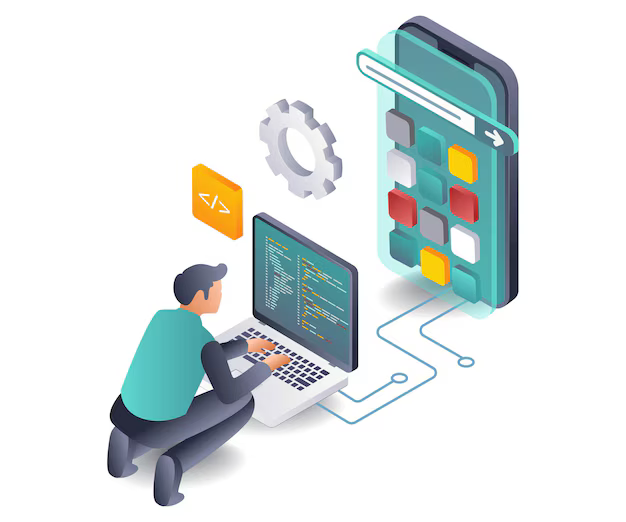
SAG Infotech’s GenCodex AI-powered low-code Platform is a popular cross-platform app development framework that helps users create applications for multiple devices, including phones, computers, and online platforms, from a single codebase. With regular updates, it offers customization tools for hybrid apps while focusing on responsive design and user experience. Utilizing HTML, CSS, and JavaScript, GenCodex integrates smoothly with frameworks like Angular, React, and Vue, empowering users to enhance the functionality and usability of their applications.
Conclusion
The using user-friendly platforms is a big step forward in creating applications. By managing how users interact with apps from one central point, businesses can update their features faster, maintain a uniform look and feel across different platforms, make ongoing maintenance easier, and provide customized experiences for their users. GenCodex AI low code platform is proud to include this modern approach in our services, ensuring our clients receive solutions that are not only effective today but also ready for the future.